

Key Numbers
- 500,000 customers affected during strike
- 40% compensation increase over four years offered by Air Canada
- Boarding pay introduced, rising from 50% to 70% of hourly rates over contract term
- $3.2B–$3.6B full-year EBITDA guidance withdrawn amid disruption
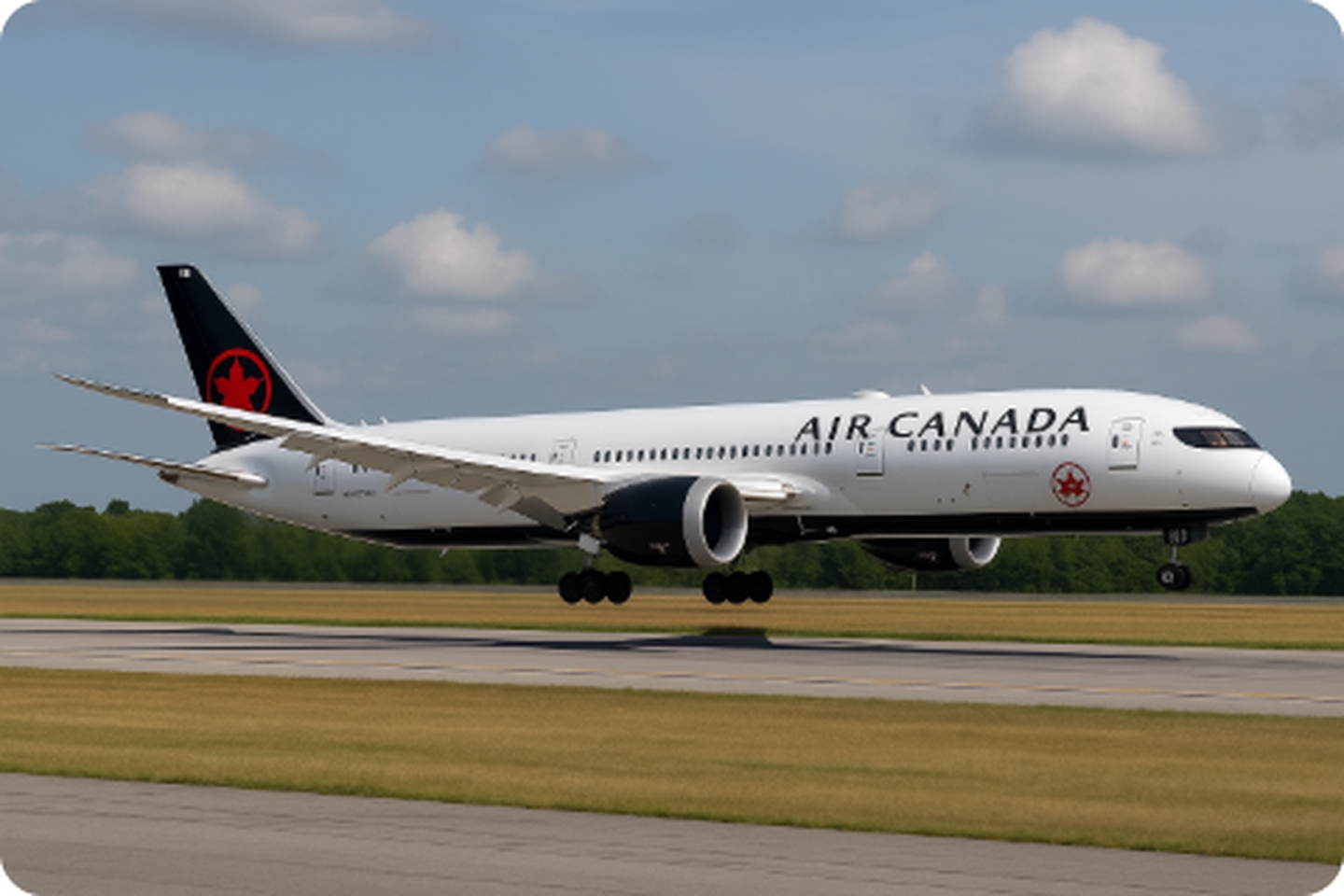
Air Canada (TSX:AC) has struck a tentative agreement with its 10,000 flight attendants, ending a three-day strike that grounded hundreds of flights and disrupted travel for about 500,000 customers. The deal, reached after more than nine hours of mediated talks, introduces boarding pay for the first time—a major sticking point in negotiations—and provides what union leaders describe as “transformational change” in compensation.
Under the new four-year agreement, attendants will be paid for boarding time at 50% of their hourly rate in the first year, increasing to 70% by the end of the contract. The Canadian Union of Public Employees hailed the outcome as more generous than comparable U.S. agreements, suggesting it could set a precedent for other labor negotiations across the airline sector. Air Canada had previously offered roughly a 40% increase in total compensation over four years, claiming the package would make its attendants the best paid in the industry.
For the airline, the strike not only forced it to withdraw its full-year EBITDA guidance of $3.2 billion to $3.6 billion but also highlighted ongoing fragility in labor relations. Restarting operations is expected to take at least a week, with CEO Michael Rousseau noting the logistical complexity of resuming service after such a large-scale disruption. The strike, which defied two federal back-to-work orders, marked one of the most dramatic labor standoffs in Canada in years, drawing in government intervention before the eventual deal.
Air Canada stock has declined by 8% in the past month and it’s trading 26% below its 52-week high of $26.18.